
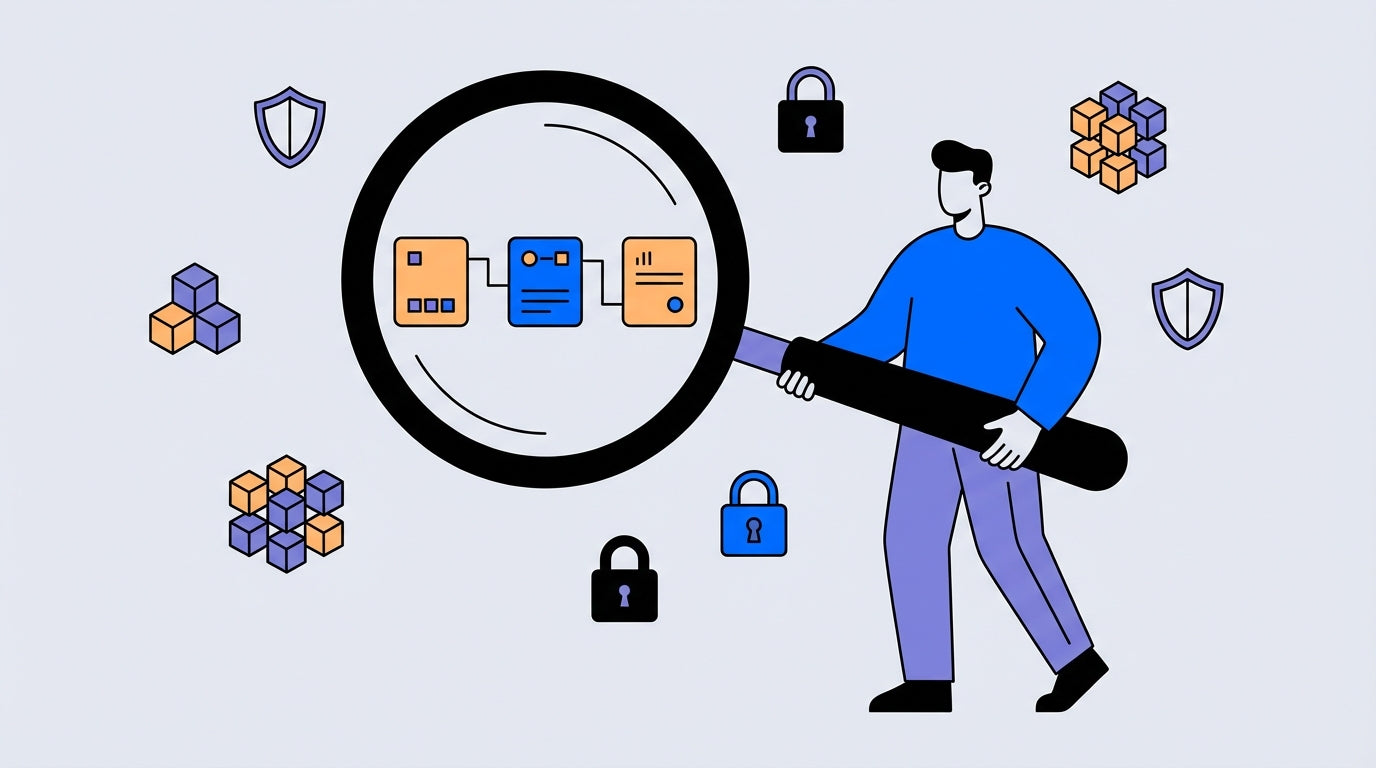
Blockchain-based logging makes access audit trails tamper-evident by chaining hashed records so edits can be proven.
Access logs only protect you if they form a chronological audit trail that shows who did what and when. Blockchain-based logging trends aim to make those trails tamper-evident, so edits are visible without turning your team into full-time auditors.
Why tamper-proof matters for time and payroll data
Most small businesses already have access logs in time tracking, payroll, or admin tools. The trust issue is whether the log can be edited after the fact; when it can, disputes over hours, approvals, or rate changes become a guessing game.
Quick reality check: with 25 hourly employees and just two access events per person per pay period (an edit and an approval), you log 50 events every run. Over 26 pay periods, that is 1,300 events you may need to defend during a payroll question or audit.
An immutable audit log shifts the conversation from "who remembers" to "what is provable," which is exactly what time and pay accuracy needs.
How blockchain makes log edits visible
Blockchain writes each log entry as a cryptographic fingerprint and links it to the prior entry, creating a chain that breaks if any record is changed. This hash chaining and Merkle tree structure is the core reason the trail stays tamper-evident in blockchain integrity designs.
Example: a manager changes a time-in from 8:03 AM to 7:30 AM. The original hash no longer matches, and the verification check fails even if the edit is subtle.
For operations, that means you can prove that access logs were not altered after the fact, even if multiple admins share responsibilities.
Trends: hybrid storage, permissioned networks, and privacy-first proofs
The dominant pattern is hybrid storage: keep detailed access logs off-chain in your existing system, and write only a hash and timestamp to the chain. That keeps storage lean and avoids exposing sensitive details.
If you generate 10,000 access events per day, storing only a small hash per event keeps the chain compact while still letting you verify the full log when needed. This model also supports permissioned networks so only authorized teams can read the proof layer.

Data integrity still depends on the full pipeline, from data creation to the point it is written on-chain, not just the chain itself, which is why end-to-end integrity controls are emphasized. This only works if the data entering the system is clean and authenticated; blockchain does not fix bad inputs.
Practical rollout for small teams
Start with the access events that drive payroll accuracy and compliance, then expand once the proof layer is stable. The goal is audit-ready traceability, which aligns with how blockchain improves audit and control in fast-moving systems.
For example, pilot only pay rate changes: if you currently spend 6 hours per month preparing audit evidence, target a 2-hour process by automating hash verification and exportable reports. Steps for a pilot:
- Log only high-risk access actions first, such as rate changes, approvals, and user role edits.
- Store full logs in your log management tool, and anchor hashes on-chain.
- Lock down keys with MFA and role-based access so log writers are controlled.
- Schedule a monthly verification report so discrepancies surface early.


Share:
Rising Cloud SLA Standards: New Uptime Demands for Access Systems in 2026
Law Firm Access Security: Ensuring Client Confidentiality in 2026