
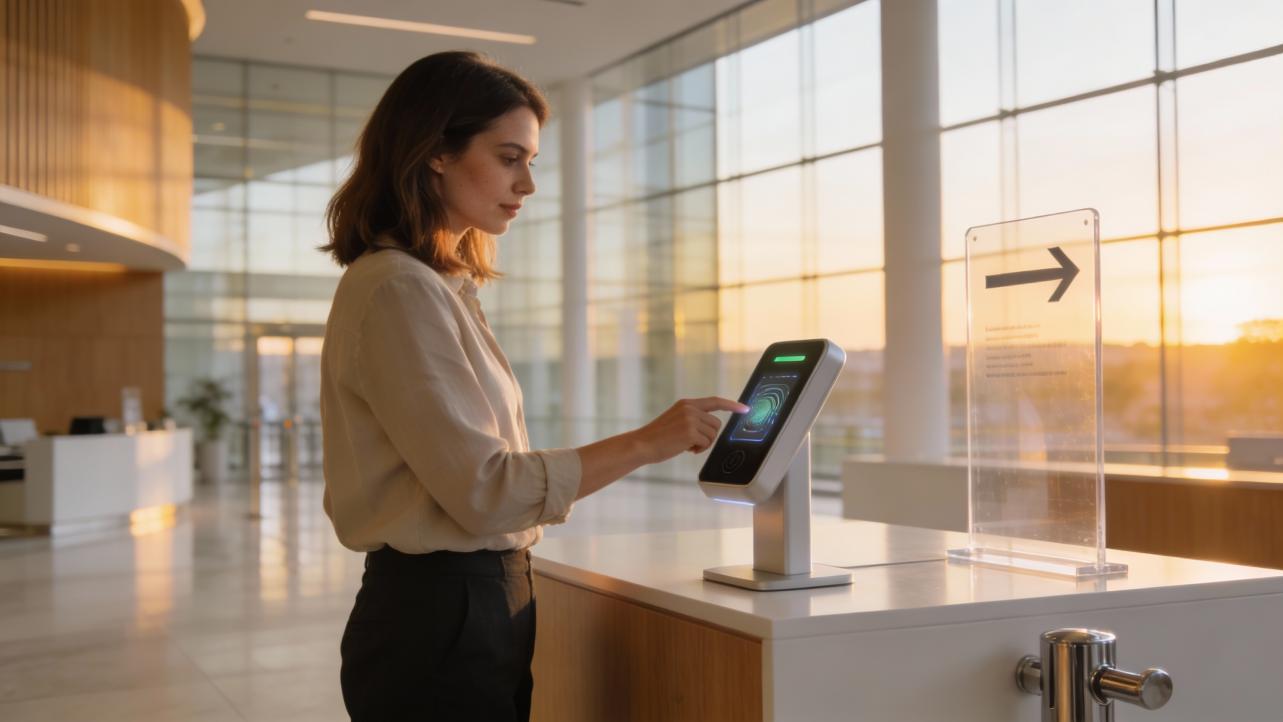
Summary: Manufacturers are rapidly moving from paper timesheets and basic punch clocks to integrated digital attendance systems that handle big shifts, cut payroll errors, and give real-time visibility into who is on the floor and when.
The New Reality on the Shop Floor
If you’re still running a 150-person shift on paper and a mechanical clock, you’re bleeding time and money you can’t see.
Manual attendance means lines at the clock, buddy punching, missed punches, and supervisors wasting half a morning fixing timesheets. A GreytHR guide notes that accurate attendance underpins productivity, payroll inputs, and legal compliance, which manual tools simply don’t scale to provide.
In plants I’ve supported, it’s common to find a large share of timesheets needing corrections before payroll. That’s not “just admin”; it drives payroll disputes, overtime surprises, and makes it nearly impossible to see which lines are consistently understaffed.

Digital Tools Built for Big Shifts
Modern attendance tech is finally built around how factories actually run: fast shift changes, PPE, noisy environments, and multiple entrances.
Facial-recognition time clocks, such as those described in the NoahFace manufacturing guide, let operators clock in hands-free in a couple of seconds, even wearing gloves. That eliminates shared cards, kills buddy punching, and keeps people flowing instead of queuing at the door.
Mobile time-clock apps with GPS and geofencing, like the options highlighted in the Connecteam review, make sense for supervisors, yard crews, and maintenance who don’t start at a fixed terminal. You can lock clock-ins to the site boundary and auto-clock people out when they leave, which keeps location-based pay and premium rules honest.
Badge and RFID-based systems still matter on busy lines: tap-to-enter readers at gates, kiosks near locker rooms, and offline-capable devices for areas with flaky Wi‑Fi. The trend is not one tool, but a blend that matches each workgroup: biometrics at main entries, badges in sensitive areas, and phones for field teams.
Nuance: Tech like facial recognition and GPS is powerful, but you’ll only get buy-in if you’re transparent about what you track, when, and why.

Turning Attendance Data into Payroll Accuracy
The win isn’t just faster clock-ins; it’s clean data flowing straight into payroll and scheduling without retyping a single hour.
Vendors like Timetrex manufacturing show how modern systems apply complex pay rules automatically—shift differentials, weekend premiums, union rules, and overtime—based on real-time punches. That slashes the quiet “spreadsheet layer” your payroll team has been maintaining to keep checks accurate.
Implementation playbooks from firms such as SWKTech emphasize that centralizing time data also tightens compliance. When every punch is time-stamped, auditable, and tied to the right rule set, you’re far better protected against wage-and-hour claims than with scattered paper records.
Here’s a simple math check: with 200 hourly workers, if supervisors spend just 5 minutes a week fixing each person’s time, that’s about 1,000 minutes—over 16 hours—of manual cleanup every week. At $30.00 per hour fully loaded, you’re spending around $500.00 a week, or $26,000.00 a year, just to patch a broken process.
90-Day Playbook to Fix Your Shift Attendance
You don’t need a multi-year “digital transformation” to fix attendance. You need a focused quarter.
- Map reality: Document where attendance fails today—lines at the clock, missing punches, payroll corrections, and grievances.
- Pick fit-for-floor tools: Choose biometrics, badges, mobile, or a mix based on PPE, network reliability, and how people actually start work.
- Pilot one area: Run a 30-day pilot on one line or shift, with parallel payroll, to shake out issues before a plant-wide rollout.
- Integrate and train: Connect to payroll, lock in pay rules, and train supervisors and leads until they can troubleshoot basic issues themselves.
Case studies from TeamSense show that when you automate attendance and communicate clearly, no-call/no-show rates and last-minute chaos drop fast.
Do this right, and by the next quarter your shift starts are calm, payroll runs on clean data, and you finally have trustworthy labor numbers to run your operation instead of guessing from the breakroom whiteboard.


Share:
How Startup Founders Can Establish Standard Attendance Policies From Day 1
Cloud Attendance vs. On-Premise Software: Pros & Cons in 2026