
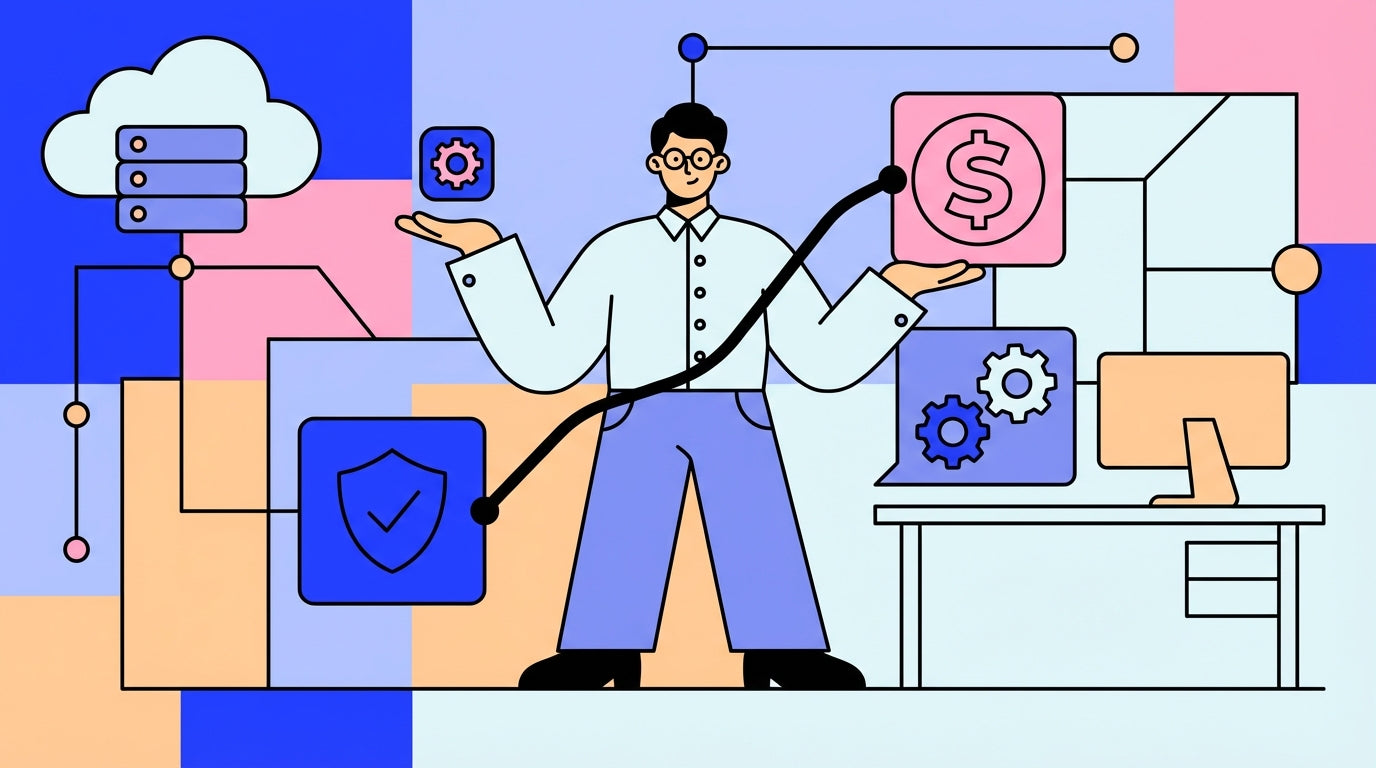
Clear access rules and approvals help hybrid teams keep payroll accurate while staying flexible.
In 2026, access control for split-location teams is less about doors and more about who can touch time and pay data, with clear approvals that keep payroll accurate.
Is payroll still a scramble the day your team submits hours from home and the office? Tightening who can change hours and pay details removes the retyping that turns small slips into big fixes. You will get a clear, practical path to keep pay accurate without squeezing out flexibility.
Why access control is now a payroll issue
Payroll accuracy is a trust and cash-flow problem
Payroll accuracy means correct, on-time wages, taxes, and benefits, and errors hurt trust and cash flow when corrections pile up. In a hybrid setup, that accuracy depends on access control, which is the plain-language rule for who can view, edit, and approve hours and pay data.
Location changes rewrite the rules
Hybrid work creates payroll tax nexus where the employee works, so the rules follow the person, not just the headquarters. If a designer moves from Ohio to North Carolina mid-quarter, the tax setup has to change quickly and the access rules should route that update to payroll before the next run. In payroll cleanups, the missed location change is one of the fastest ways to trigger a correction.

Nuance: attendance tech must match hybrid reality
Industry reporting notes that biometric clocks do not work well for remote teams and overtime rules vary by location, which makes digital time logging and clear approvals the safer default. When someone logs in from home, the system needs to capture breaks and overtime the same way it would at the office so pay stays defensible.
What access control looks like in 2026 for small teams
Integrated systems reduce handoffs
Integrated payroll systems cut retyping and improve accuracy, and a global survey found that 70% of companies using integrated payroll solutions saw higher efficiency and accuracy. For a 20-person agency, that can look like time tracking feeding payroll automatically, with managers approving hours by Monday 5:00 PM and payroll locked by Wednesday 12:00 PM.
Automation, audits, and self-service
Automation can cut payroll errors by up to 80%, and pre-payroll audits reduce discrepancies by 35%, so modern access control pairs automation with checkpoints before each run. A practical rhythm is to compare approved hours with overtime codes and benefit deductions, then let employees update their own banking and address details through self-service so stale data does not creep in.
Security and audit trails are part of access control
Hybrid teams need data security and governance controls like VPNs and MFA, plus device and data policies that protect payroll information. A clean access model keeps payroll admins able to edit pay rates, managers able to approve hours, and employees able to view pay stubs, with audit trails that show who changed what and when.

Pros and tradeoffs for small teams
The upside you can measure
The average small business makes about 15 payroll corrections, which implies roughly $4,500 in avoidable cost every cycle. When access control locks pay rates after approval and timecards after sign-off, those corrections drop and you get back hours that should go to customers and cash flow.
The friction you need to plan for
Common errors such as overtime miscoding and wage garnishments create real risk, so tighter access adds steps and training you have to plan for. Expect a short learning curve when managers move from email approvals to in-system sign-offs, and build a backup approver plan so a single vacation does not delay payroll.
A rollout that respects your time
Make it a time-management project, not a fire drill
Time management is organizing, planning, and controlling how you use time to boost productivity, which is exactly how you should treat access control changes. Block two focused work sessions on your calendar to map roles, decide approval points, and delegate the cleanup you should not be doing yourself.
Align schedules, hours, and benefits before go-live
Flexible schedules add complexity to tracking hours and benefits eligibility, so set the rules before you switch systems. If your team spans time zones, define when a workday ends, how breaks are recorded, and when overtime triggers, then communicate those rules in plain language so approvals stay consistent.
Access control in 2026 is a payroll accuracy tool as much as a security measure. Set clear ownership, automate the handoffs you can, and keep the human checkpoints where mistakes still slip through, and you will run payroll with fewer surprises.


Share:
Why 2026 Is the Year Facial Recognition Replaces Fingerprints
Can Smart Time Clocks Work When the Internet Is Down?