
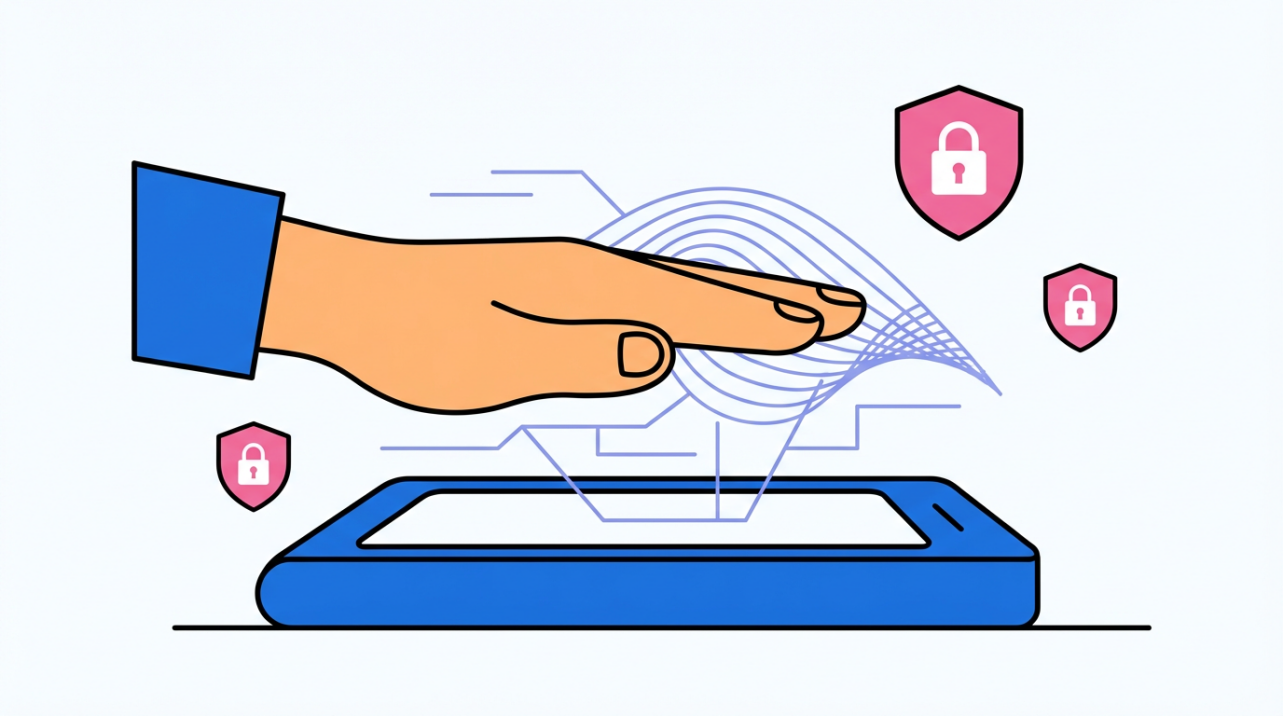
In 2026, contactless palm vein recognition is a practical way to authenticate staff without touch, trimming clock-in friction and keeping payroll data clean.
Why 2026 Is the Practical Upgrade Window
Fingerprint readers struggle in real-world ops: dirty hands, gloves, dry skin, and fast shift changes create re-scans and small backups. Contactless palm scanning eliminates the “press harder” dance and keeps lines moving.
Modern systems are designed to handle small shifts in hand position and lighting, which means fewer retries at the clock and less manager intervention. That matters when you are already stretched thin on the floor.
Quick math: if 25 people clock in during a 10-minute window and each extra re-scan costs 8 seconds, that’s about 3 minutes of paid time lost per shift. Multiply that across a 5-day week and you are bleeding 15 minutes of labor before work even starts.
Payroll Accuracy: The Hidden Payoff
Payroll accuracy starts with clean time data. Every manual edit introduces risk, and those little fixes stack up fast.
Example: if your shop has 30 employees and time edits average 2 minutes per person per shift, that’s 60 minutes per shift. Over a 5-day week, that’s 5 hours of payroll noise; at $18.00/hour, that’s $90.00 weekly or about $4,680.00 a year.
The bigger win is trust. Clean time records reduce off-cycle checks, prevent overtime disputes, and make audits smoother. As the Operations Fixer, I care less about the shiny tech and more about eliminating the daily “timecard clean-up” routine.

Rollout Playbook for a No-Drama Launch
Plan enrollment like a mini project. If you budget 2 minutes per employee, a 40-person team takes about 80 minutes total, which is easy to split across two lunch windows.
Decide early how the system will flow at the clock and in payroll so you are not creating a new admin bottleneck.
- Pilot at the busiest location for two full pay periods.
- Set a clear fallback method for failed scans and document who can approve it.
- Integrate the time clock directly with payroll to avoid double entry.
- Lock down how biometric templates are encrypted, stored, and deleted.
- Train supervisors with a 10-minute script and a one-page troubleshooting checklist.

Independent, apples-to-apples performance benchmarks are still limited, so ask vendors for third-party testing data and run your own pilot before signing a long contract.


Share:
Understanding the "Anti-Passback" Feature in Access Control Systems
Multi-Site Management Made Easy: How Chain Owners View All Stores Right Now