
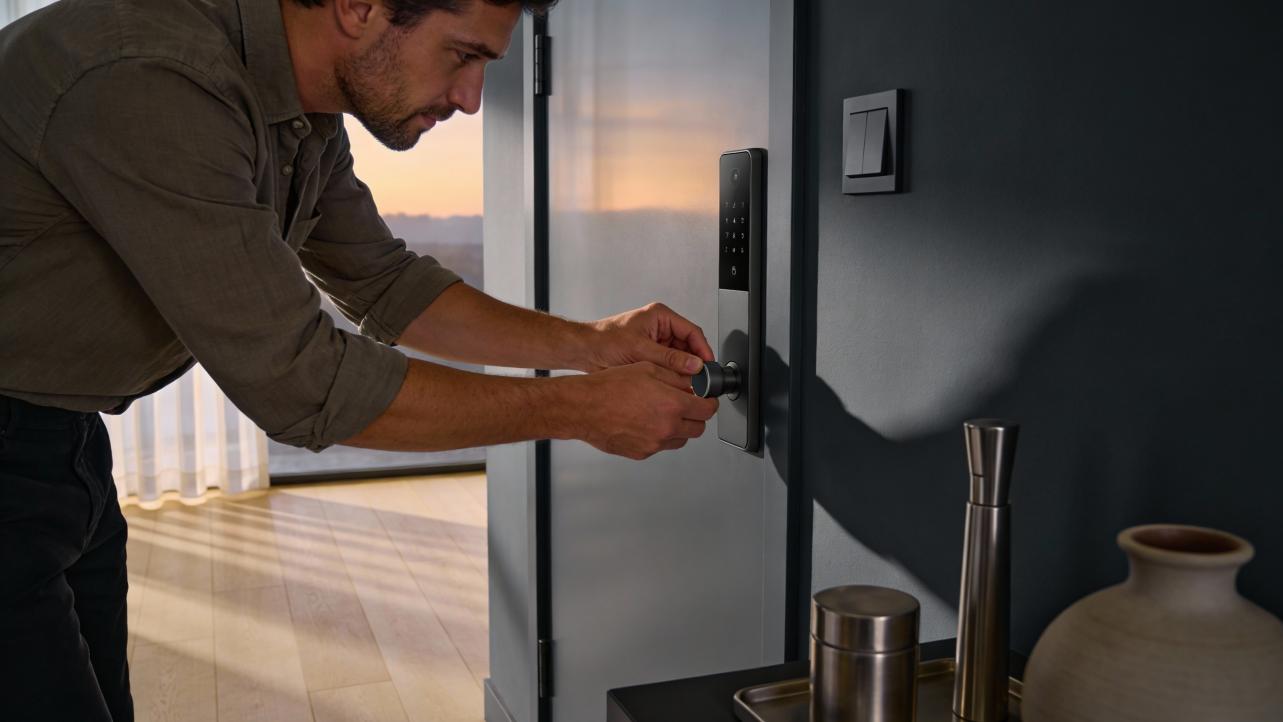
Maglocks shine on glass and high-traffic entry doors where you need fail-safe egress, while electric strikes are usually the smarter retrofit on regular framed office doors. If you want fewer lockouts and cleaner time-and-attendance records, you’ll probably end up using both.
Maglocks vs Electric Strikes in Plain English
In most access control systems, the two most common lock types are electric strikes and magnetic locks, both powered by low-voltage wiring. They solve the same problem—controlled entry—but in very different ways.
An electric strike replaces the strike plate in the frame and works with your existing latch or deadbolt. When a valid credential is presented, the strike releases the latch so the door can be pulled open from the outside, while the inside handle usually still opens with a single simple motion.
A maglock is an electromagnet on the frame and a metal plate on the door. When power is on, the magnet holds the plate tightly and the door is locked; when power is off, the bond releases and the door unlocks. That makes maglocks inherently fail-safe, but also fully dependent on good power design and proper exit hardware.

Electric Strikes: Best for Everyday Business Doors
Well-specified electric strikes for commercial doors turn ordinary locks into keyless, centrally managed doors that automatically relock when they close. They’re ideal on hollow-metal or solid-core wood doors where you already have decent hardware.
From an operations standpoint, the main advantages of strikes are:
- Doors that stay locked from the outside but always allow free egress
- Audit trails and remote unlock for deliveries or late staff
- Fewer rekeys when someone leaves with a key in their pocket
You can configure them fail-secure (stay locked on power loss) for stock rooms and server spaces, or fail-safe (unlock on power loss) for exit paths. Networked systems can log who came and went, which feeds directly into access audits and time disputes.
The catch is that strikes are picky about frames and alignment. Installers regularly report alignment problems and fire-rating gotchas when strikes are cut into rated frames or paired with cylindrical locks that do not deadlatch correctly. Translation: plan the hardware, frame, and code requirements before you buy, and use a locksmith who does this work every week.

Maglocks: Best for Glass, Gates, and High-Traffic Entrances
Maglocks use an electromagnet on the frame and an armature plate on the door to hold the door closed. Because they lock when energized and unlock when power is cut, they are inherently fail-safe and a natural fit for main entries and emergency routes where egress must always be possible.
Key maglock use cases include:
- Glass storefronts and aluminum frames where strikes do not fit
- Tall or heavy lobby doors that get slammed all day
- Gates and perimeter doors where you want high holding force
Most codes require a way to cut power at the door—such as a request-to-exit button or motion sensor—so people can exit quickly without special knowledge. Because maglocks unlock when power fails, you should always pair one with a mechanical lock or deadbolt so you can secure the building during outages or system failures.
Quick Buying Decisions for Common Doors
Different experts either champion strikes or warn you away from them. The practical move is to match the lock to the door and your fire code, then let a pro handle cutting and wiring. Your authority having jurisdiction (AHJ) and life-safety rules—not just the catalog—decide where each device is allowed.
Use this short list to choose fast:
- Glass storefront or main lobby door: Surface maglock plus a keyed mechanical deadbolt; add a motion sensor or push-to-exit so customers flow out without thinking.
- Staff entrance or time-clock door: Electric strike, usually fail-secure, tied to your card or phone-based access so entry events line up with time records.
- Payroll, HR, or records room: Electric strike in fail-secure mode with a mechanical key override; logs show who went in after hours.
- Emergency exit with a panic bar: Typically an electric strike (or electrified hardware) that stays latched for fire rating but unlocks on alarm or power loss, per AHJ guidance.
If you want fewer 9:00 PM “I’m locked out” calls and cleaner audit trails, start with your three most critical doors, pick strike versus maglock using the list above, and get a single locksmith quote that includes both hardware and code-compliant installation.


Share:
Access Control Wiring Diagram: Connecting Power, Controller, and Locks (Beginner's Guide)
The "Always Online" Generation: Real-Time Push Notifications Are the New Standard